0%

Full list: https://time.com/collection/time100-ai-2024/

(launched in Sep 2024)

Notable Names

1. Core AI Labs & Major Tech Platforms

Amazon

  • Prasad, Rohit - SVP and Head Scientist of Artificial General Intelligence

Anthropic

  • Amodei, Daniela - President
  • Amodei, Dario - CEO
  • Askell, Amanda - Member of Technical Staff (Alignment/Safety)
  • Leike, Jan - Alignment Science Co-Lead (at time of list publication)
  • Olah, Chris - Co-founder (Research/Safety)

Baichuan AI

  • Wang Xiaochuan - Founder & CEO

ByteDance

  • Liang Rubo - CEO and Co-founder

Character.AI

  • Shazeer, Noam - Co-founder & CEO

Cohere

  • Gomez, Aidan - Co-founder & CEO
  • Lewis, Patrick - Director of Machine Learning

Google

  • Kurzweil, Ray - Principal Researcher and AI Visionary

Google DeepMind

  • Gabriel, Iason - Research Scientist
  • Hassabis, Demis - CEO and Co-founder
  • Ibrahim, Lila - COO
  • Jumper, John - Director and AlphaFold Team Lead

Lelapa AI (Focus on African languages)

  • Moiloa, Pelonomi - Co-founder & CEO

Microsoft AI (Consumer AI Division)

  • Suleyman, Mustafa - CEO

Mistral AI

  • Mensch, Arthur - Co-founder and CEO

OpenAI

  • Altman, Sam - CEO
  • Brockman, Greg - President
  • Eloundou Nekoul, Tyna - Technical Staff
  • Huet, Romain - Head of Developer Experience
  • Murati, Mira - CTO

Salesforce

  • Savarese, Silvio - Executive Vice President and Chief Scientist of AI Research

2. Hardware & Semiconductors

Advanced Micro Devices (AMD)

  • Su, Lisa - Chair & CEO

ASML (Semiconductor Manufacturing Equipment)

  • Fouquet, Christophe - CEO

Cerebras Systems (AI Hardware Startup)

  • Feldman, Andrew - CEO and Founder

Extropic (Physics-Based AI Computing Startup)

  • Verdon, Guillaume - Founder

Groq (AI Hardware Startup - LPUs)

  • Ross, Jonathan - CEO

Intel

  • Rivera, Sandra - EVP & GM, Data Center and AI Group

Taiwan Semiconductor Manufacturing Company (TSMC) (Semiconductor Foundry)

  • Wei, C.C. - Chairman and CEO

3. AI Applications: Healthcare & Life Sciences

Abridge (Healthcare Documentation)

  • Rao, Shiv - Co-founder & CEO

AEYE Health (Healthcare Diagnostics)

  • Dvey-Aharon, Zack - Co-founder & CEO

Insitro (Drug Discovery)

  • Koller, Daphne - Founder and CEO

Viz.ai (Healthcare Imaging)

  • Mansi, Chris - Co-founder

4. AI Applications: Autonomous Systems & Robotics

Anduril Industries (Defense Tech / Autonomy)

  • Luckey, Palmer - Founder

Figure (Robotics)

  • Adcock, Brett - CEO

Waabi (Self-Driving Trucks)

  • Urtasun, Raquel - Founder & CEO

Waymo (Self-Driving Cars / Google Affiliate)

  • Mawakana, Tekedra - Co-CEO

5. AI Applications, Platforms, Ecosystem & Investment

ElevenLabs (Voice Synthesis)

  • Dabkowski, Piotr - Co-founder and CTO

Greylock / Inflection AI (Venture Capital / AI Startup)

  • Hoffman, Reid - Partner / Co-founder

Hugging Face (Open Source AI Platform / Community)

  • Delangue, Clem - Co-founder & CEO
  • Le Scao, Teven - Researcher
  • Luccioni, Sasha - AI & Climate Lead
  • Mitchell, Margaret - Chief Ethics Scientist

Landing AI / DeepLearning.AI (Enterprise Deployment / Education)

  • Ng, Andrew - Founder & CEO / Founder

Laskie (Recruiting/Hiring)

  • Bakke, Chris - Founder

Palantir (Data Analysis / AI Platforms)

  • Karp, Alex - CEO

Perplexity (Search/Answer Engine)

  • Srinivas, Aravind - CEO

Proton (Privacy-Focused Tech using AI)

  • Singh, Anant Vijay - Product Lead

Synthesia (Video Generation)

  • Riparbelli, Victor - CEO

Vermillio (Creative Tools)

  • Neely, Dan - Co-Founder and CEO

6. Academic & Independent Research Institutes

Carnegie Mellon University (CMU) / Cartesia

  • Gu, Albert - Assistant Professor / Co-founder

Eureka Labs / OpenAI (Alumnus) (Independent Research)

  • Karpathy, Andrej - Founder

Mila – Quebec AI Institute / University of Montreal

  • Bengio, Yoshua - Founder and Scientific Director / Professor

Stanford HAI (Institute for Human-Centered AI)

  • Li, Dr. Fei-Fei - Co-Director

Stanford / Together AI

  • Liang, Percy - Associate Professor / Co-founder

Tsinghua University, Institute for Interdisciplinary Information Sciences

  • Yao, Andrew - Dean

University of California, Berkeley

  • Xu, Fei - Professor (Cognitive Science informing AI)

University of Chicago

  • Zhao, Ben - Professor / Inventor (Nightshade)

University of Toronto / Google (Alumnus)

  • Hinton, Geoffrey - Professor Emeritus / Researcher

7. AI Safety Focused Organizations

Model Evaluation and Threat Research (METR)

  • Barnes, Beth - Founder & Head of Research

Safe Superintelligence Inc. / OpenAI (Alumnus)

  • Sutskever, Ilya - Co-founder

:::thinking
Let me identify the top 4 religions in the world by number of adherents, and then determine the birthplaces of their central divine figures or founders.

The top 4 religions by population are:

  1. Christianity
  2. Islam
  3. Hinduism
  4. Buddhism

For Christianity:
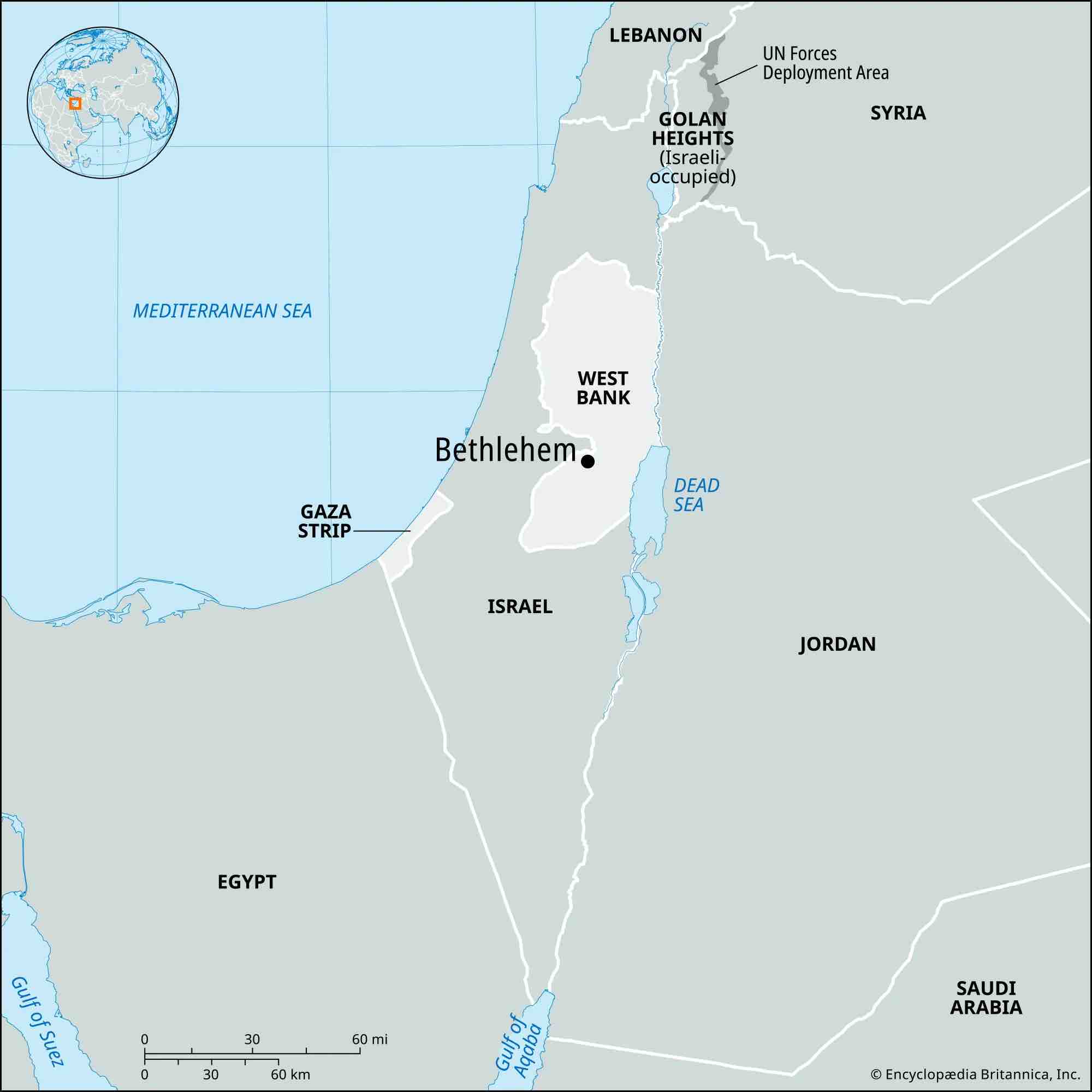
Jesus Christ is considered God incarnate and was born in Bethlehem (in what is now the West Bank/Palestine)

For Islam:
Islam is strictly monotheistic. Allah is God, but not born (eternal, without beginning or end).
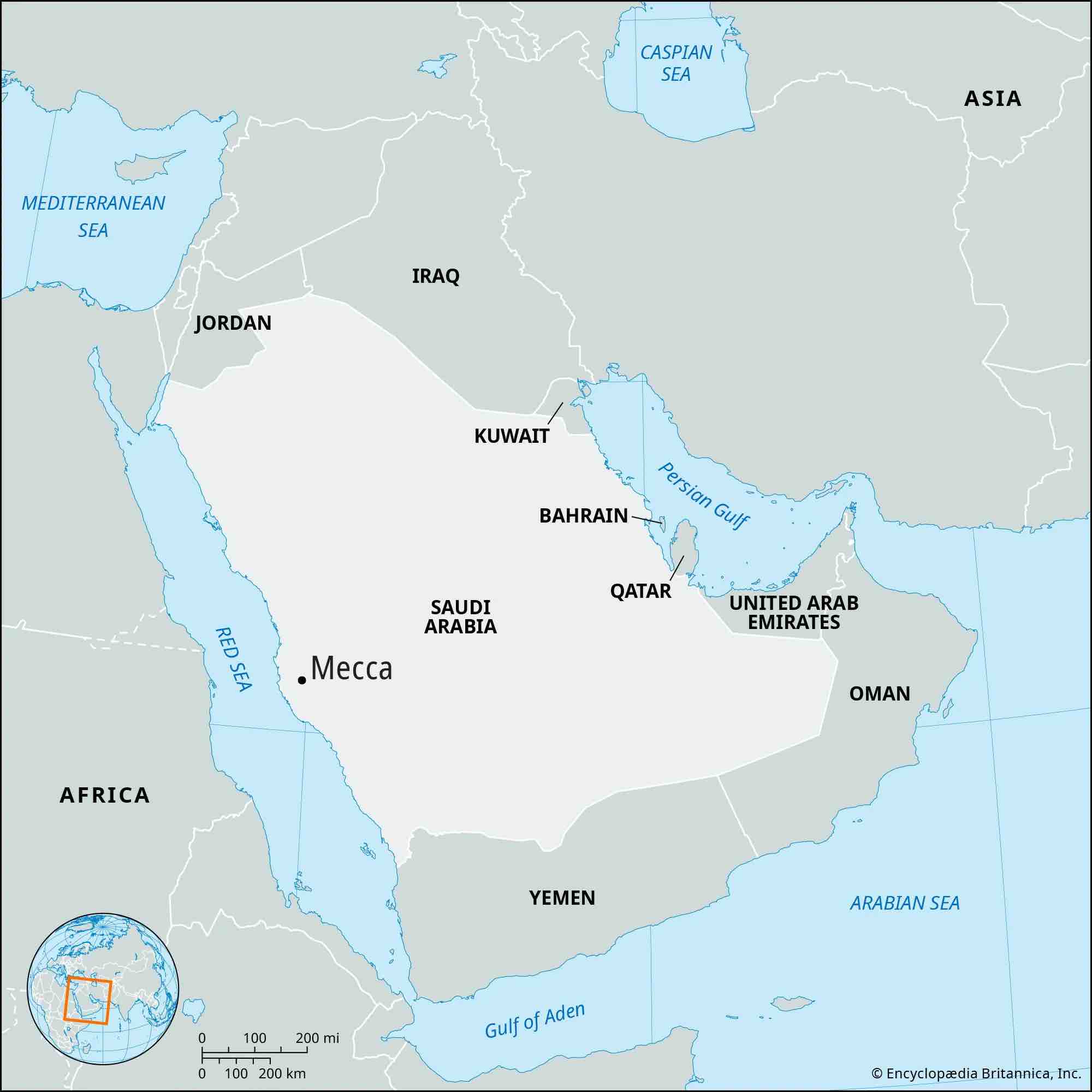
Muhammad is not considered divine but is the prophet and founder - he was born in Mecca (in modern Saudi Arabia)

For Hinduism:
Hinduism has many gods, but if I need to list birthplaces, I could list:

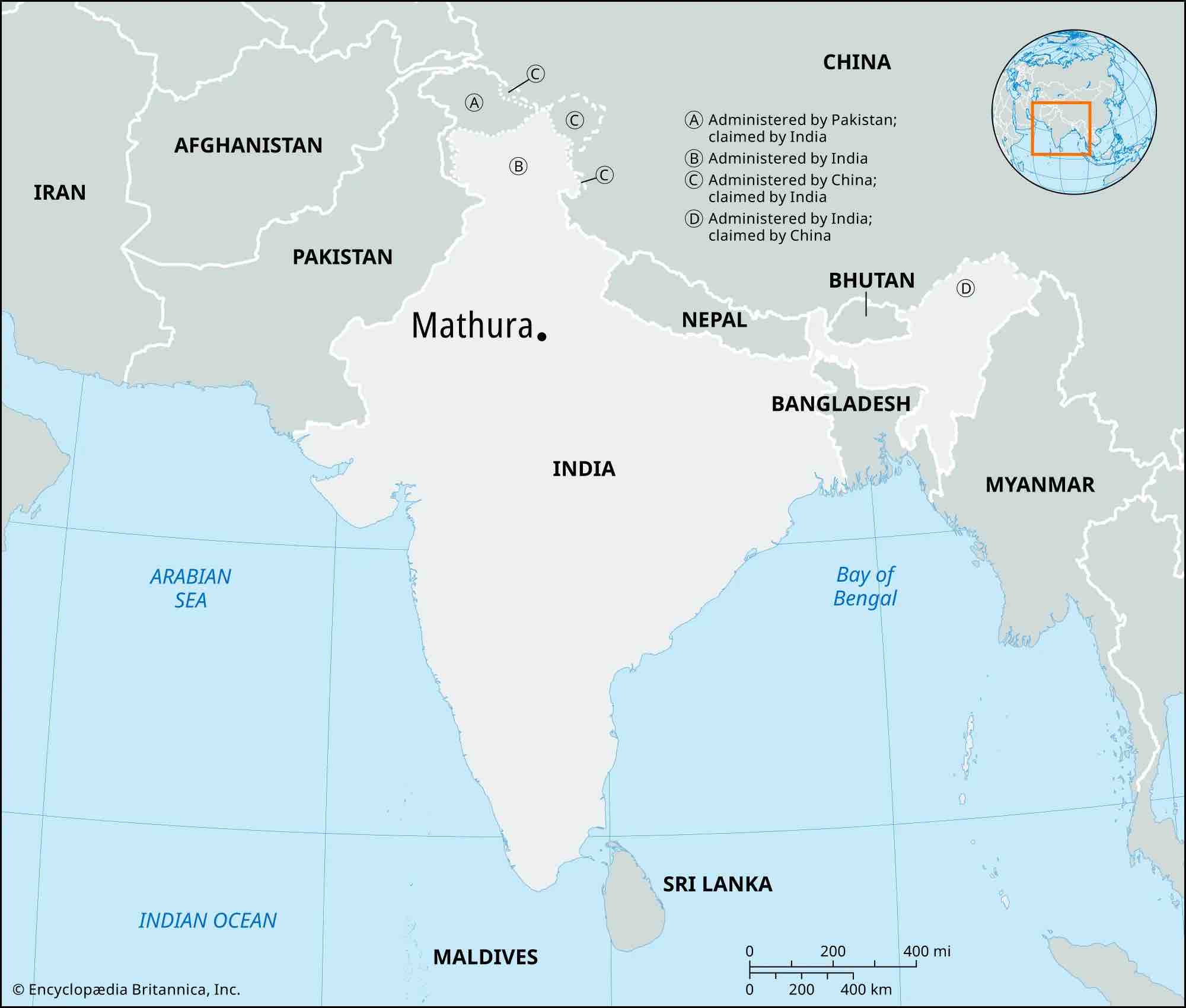
  • Krishna (incarnation of Vishnu) - born in Mathura (in modern Uttar Pradesh, India)
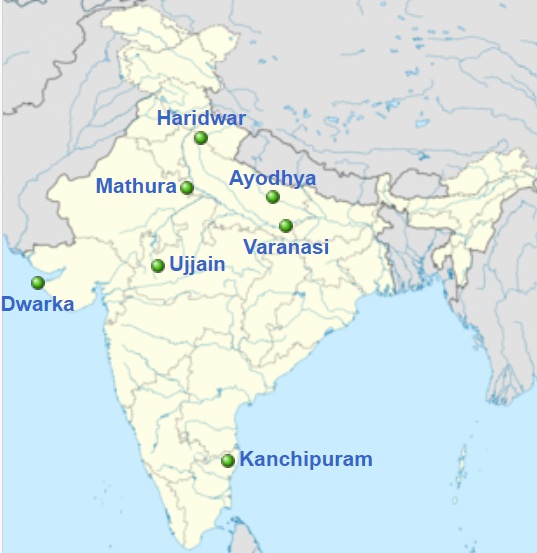
  • Rama (incarnation of Vishnu) - born in Ayodhya (in modern Uttar Pradesh, India)

For Buddhism:
Buddha (Siddhartha Gautama) is not considered a god in most Buddhist traditions, but the founder who reached enlightenment - born in Lumbini (in modern Nepal)

I should note that this question involves some theological complexity, as some of these religions don’t have “gods” with birthplaces in the same sense. Islam is strictly monotheistic and Allah is not born. Buddhism doesn’t consider Buddha a god in many traditions. Hinduism has multiple deities with various origin stories.
:::

世界四大宗教神明/创始人的出生地

基督教(Christianity)

  • 耶稣基督(Jesus Christ)- 诞生于伯利恒(Bethlehem)
    • 位于巴勒斯坦·西岸地区(The West Bank/Palestine)
    • 耶路撒冷(Jerusalem)以南10公里处,人口约3万人。
    • 约公元前4-6年

伊斯兰教(Islam)

  • 安拉(Allah)- 在伊斯兰教中,安拉是永恒的,没有出生地
  • 先知穆罕默德(Prophet Muhammad,创始人)- 诞生于麦加(Mecca)
    • 位于现今的沙特阿拉伯
    • 约公元570年

印度教(Hinduism)

  • 印度教有多位主要神明:
    • 克里希纳神(Lord Krishna,毗湿奴的化身)- 诞生于马图拉(Mathura)
      • 位于现今的印度北方邦
      • 传统上认为约公元前3000年
    • 罗摩神(Lord Rama,毗湿奴的化身)- 诞生于阿约提亚(Ayodhya)
      • 位于现今的印度北方邦

佛教(Buddhism)

  • 佛陀(释迦牟尼,Siddhartha Gautama)- 诞生于蓝毗尼(Lumbini)
    • 位于现今的尼泊尔
    • 约公元前563年

注:在伊斯兰教和某些佛教传统中,安拉被视为无始无终的存在,而佛陀在许多佛教传统中被视为觉悟者而非神明。

哈德良长城

Hadrian’s Wall

罗马帝国君主__哈德良__,为防御北部__皮克特人__,于公元122年修建。

是当时罗马帝国的西北边界。

历史背景

__哈德良__在__罗马帝国__历史上被称为贤帝,其统治期间为罗马帝国最为强大的时代。

Hadrian’s Wall由3个罗马军团历时约6年(公元122—127年)筑成。

在罗马人看来,长城以南,是受罗马教化的“文明人”,长城以北,是“野蛮人”(Barbarian)。

位置

哈德良长城: 长118公里,高约5米,宽2.5米宽。

几乎向正西方,从泰恩河畔 沃尔森德 到 索尔威湾。

安东尼长城

安东尼长城是一个长达60公里的防御工事,位于苏格兰。

是公元142年由安东尼·庇护皇帝用以防御北部“野蛮人”的。

罗马帝国的边界由:

  1. 英国的哈德良长城
  2. 英国的安东尼长城
  3. 德国的上日耳曼-雷蒂安边墙

三部分组成。其中最为人们熟知的是1987年最早被列入世界文化遗产的哈德良长城.

而英国的安东尼长城和德国的上日耳曼-雷蒂安边墙也相继在2005、2008年被列入该世界文化遗产的扩增部分。

Sackler family

Members of the Sackler family own Purdue Pharma, the company that manufactures the prescription painkiller OxyContin (went on market in 1995).

According to the American Society of Addiction Medicine, more than 20,000 overdose deaths in 2015 related to prescription pain relievers.

According to another report in 2016 from CDC, 115 per day die from an opioid overdose. (相当于一年4万人)

阿片类药物

2007年,普渡制药公司及其3名高管就因对奥施康定过度宣传而被罚款6.35亿美元

2017年10月,时任__美国总统特朗普__宣布,因阿片类药物上瘾和滥用危机严重,美国正式进入__全国公共卫生紧急状态__。

Metropolitan Museum

大都会艺术博物馆,美国最大的艺术博物馆,位于美国纽约第五大道的82号大街。占地面积为13万平方米,收藏有300万件展品。

与中国北京的故宫、英国伦敦的大英博物馆、法国巴黎的卢浮宫、俄罗斯圣彼得堡的艾尔米塔什博物馆并称为__世界五大博物馆__。

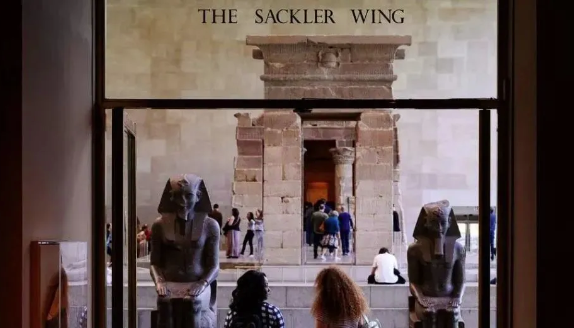
Metropolitan Museum’s Sackler Wing

In 1974, the Sackler family donated $3.5 million toward the new wing’s construction.

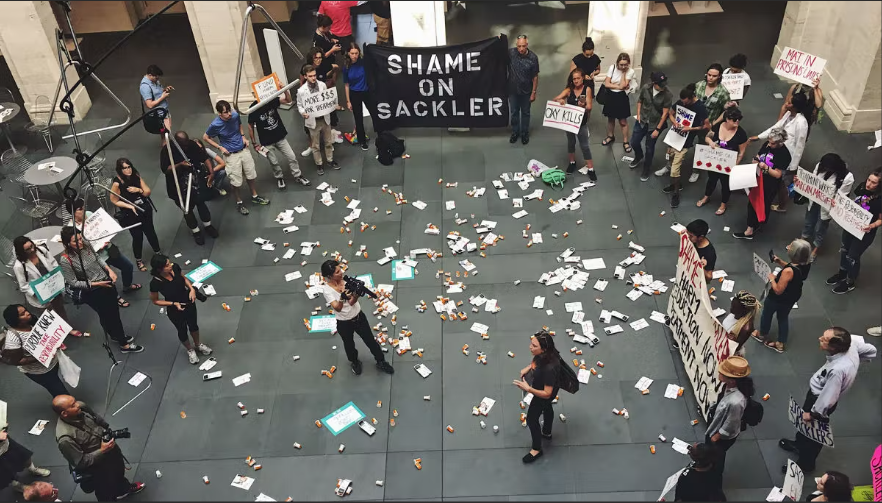
“Shame on Sackler” in MET

A protest held in March 2018 at MET’s Sackler Wing, organized by members of the collective PAIN Sackler (whose acronym stands for Prescription Addiction Intervention Now)

Demonstrators gathered at the Temple of Dendur, the Ancient Egyptian structure housed in the Sackler Wing

Leader

Nan Goldin, an ex OxyContin addict.

Aftermath

Representatives for Jillian Sackler, the widow of Arthur M. Sackler, sent statement 3/12/2018:

Much of what’s been written in recent months about my late husband, Dr. Arthur M. Sackler, is utterly false. Arthur died nearly a decade before Purdue Pharma – owned by the families of Mortimer and Raymond Sackler (his brothers) — developed and marketed OxyContin. At the time of his death in 1987, Arthur was lauded for his contributions to medical research, medical communications and museums. He was a renowned art collector and connoisseur, and because of this, we have the Arthur M. Sacker Gallery of Chinese Stone Sculpture at The Met, the Arthur M. Sackler Gallery at the Smithsonian, the Arthur M. Sackler Museum at Harvard, the Jillian and Arthur M. Sackler Wing of Galleries at the Royal Academy and the Arthur M. Sackler Museum of Art and Archaeology and the Jillian Sackler Sculpture Garden at Peking University. None of the charitable donations made by Arthur prior to his death, nor that I made on his behalf after his death, were funded by the production, distribution or sale of OxyContin or other revenue from Purdue Pharma. Period.

Further, as a physician and medical scientist, Arthur was moved by a curiosity and desire to improve lives with new therapies. He made a substantial part of his fortune over 50 years in medical research, medical advertising and trade publications. His philanthropy in medicine extended to the Arthur M. Sackler Center for Health Communications at Tufts University and the Arthur M. Sackler Sciences Center at Clark University.

All these gifts, made in the 1970s and 80s, were made independently of his brothers and their families. Thus, for anyone to assert that institutions received “tainted” gifts from Arthur is ludicrous.

Passing judgment on Arthur’s life’s work through the lens of the opioid crisis some 30 years after his death is a gross injustice. It denies the many important contributions he made working to improve world health and to build cultural bridges between peoples.

MET response

Metropolitan Museum of Art removed the Sackler name from 7 spaces in Dec. 2021.

特别是 the wing that houses the Dendur Temple

“The Met is a bellwether,” Patrick Radden Keefe, who wrote a book on the Sacklers and the opioid crisis, told the New York Times. “It is in some ways the institution that is most linked with the Sacklers in the public mind because the Sackler Wing is so iconic and because it was one of the early recipients of their very significant philanthropy. Institutions have been kind of watching the Met.”

Guggenheim Museum

古根海姆博物馆是世界上著名的私立现代艺术博物馆,创办于1937年。

以连锁方式经营,是一个博物馆群,总部设在美国纽约,在西班牙毕尔巴鄂、意大利威尼斯、德国柏林和美国拉斯维加斯拥有4处分馆。

Solomon R. Guggenheim Museum in NY

__古根海姆美术馆群__的总部。

纽约古根海姆博物馆,是纽约著名的地标建筑,由美国20世纪最著名的建筑师弗兰克·劳埃德·赖特设计

外观像一只茶杯,或者像一条巨大的白色弹簧,可能是因为螺旋线结构也有人说像海螺。

2019年7月,古根海姆博物馆被联合国教科文组织列入世界遗产名录。

“Shame on Sackler” in Guggenheim

In Feb 2019, demonstrators staged a “die in” and dropped thousands of paper slips designed to look like of OxyContin prescriptions, to protest the facility’s ties to the billionaire Sackler family.

die-in

a type of protest in which a group of people lie down in a public place as if they are dead and refuse to leave or allow normal activities to continue there

Cambridge Advanced Learner’s Dictionary & Thesaurus

Aftermath

The Guggenheim stopped accepting donations from the Sacklers in March 2019.

之后的3年时间里: Lourve, Serpentine North Gallery (once the Serpentine Sackler Gallery), the Metropolitan Museum of Art, the Tate, and London’s National Portrait Gallery 分别移除了 Sacklers 的名字。

The British Museum ended its 30-year relationship with the family in March 2022. 据称,Sackler家族对大英博物馆的支持已超过 30 年,在20世纪90年代至 2013 年期间对大英博物馆提供了多次捐赠。赛克勒的名字将继续保留在博物馆大中庭(Great Court)的捐赠者名单上,因为博物馆“始终认为我们的每一位捐赠者都是我们重要的伙伴。”

The Sacklers were honored as the namesakes of the institution’s Center for Arts Education till it’s quietly erased in early May 2022.

Guggenheim is the last museum to drop Sackler name.

Reference

https://www.commondreams.org/news/2019/02/10/shame-sackler-massive-protest-breaks-out-over-guggenheim-museums-ties-big-pharma

https://dailysoundandfury.com/shame-on-sackler-massive-protest-breaks-out-over-guggenheim/

第11讲:《考虑你的动机》
Sandel教授在课程中这样介绍康德:最具挑战性和最有难度的思想家之一。康德认为,我们作为个体,是神圣的,是权力的享有者,但并不是因为我们拥有自己。相反,理性和自由选择是我们的能力,使我们变得独特,使我们跟单纯的动物区别开。当我们将责任付诸行动的时候(去做正确的事),只有这样,我们的行动才有道德的价值。Sandel引用了一个例子:一名店主拒绝给一个顾客换零钱,只因他担心会影响他的生意。根据康德的理论,这不是一种道德行为,因为他没有找到正确的理由做正确的事情…

Immanuel Kant康德
What the supreme principle of morality is?
What freedom really is?
Kant: all human beings have a certain dignity that commands our respect. That’s because we are all rational beings, we are beings who are capable of reason.
Kant admits the utilitarians were half right. We seek to avoid pain, and we like pleasure. But Kant disagree that pain and pleasure are our sovereign masters. Kant thinks that it’s our rational capacity that makes us special, that sets us apart from and above mere animal existence.
Kant’s definition of freedom: when we, like animals, seek after pleasure or the satisfaction of our desires or the avoidance of pain, we are not really acting freely. We are really acting as the slaves of those appetites and impulses. Freedom is the opposite of necessity.
Kant: To act freely, is to act autonomously, is to act according to a law I give myself.
The opposite of autonomy: “Heteronomy”, to act according to desires I haven’t chosen myself.
To act freely is not to choose the best means to a given end; it’s to choose the end itself for its own sake. Respecting the dignity of persons, means regarding persons not just as means but also as ends in themselves.不止将人视为实现目的的手段,而是要将人本身也视为目的。

What gives an action its moral worth?
What makes an action morally worthy consists not in the consequences or in the results that flow from it; what makes an action morally worthy has to do with the motive, with the quality of the will, with the intention for which the action is done. (do the right thing for the right reason)
“A good will isn’t good because of what it effects or accomplishes, it’s good in itself. Even if by utmost effort the good will accomplishes nothing it would still shine like a jewel for its own sake as something which has its full value in itself.”
Duty职责 vs. Inclination偏好
例子:店主为了保护自己名誉而不给顾客少找钱
Kant: did the right thing but for the wrong reason, thus not moral
例子:the Better Business Bureau’s full page ad in the New York Times: “Honesty is the best policy. It’s also the most profitable.”

Question: what’s the guarantee that the law I give myself, when I’m acting out of duty, is the same as the law that other people give themselves?
Kant’s answer: the reason that leads us to the law we give ourselves as autonomous beings is a reason that we share as human beings. It’s not idiosyncratic. We are all rational beings and we all have the capacity to reason, and it’s the exercise of that capacity for reason which exists undifferentiated in all of us, that makes us worthy of dignity.

第12讲:《道德的最高准则》
康德说,就我们的行为的道德价值而言,赋予它道德价值的是我们超越自身利益和偏好,将责任付诸行动的能力。Sandel讲述了一个真实的故事:一名13岁的男孩赢得一项拼字比赛的冠军,但随后他向法官承认,其实他把最后一个单词评错了。用这个故事和其他的故事,Sandel解释了用康德的理论如何来确定一项行动在道义上是否正确:在作出决定时,想象一下,你的行为背后的道德原则,是否能成为每个人都必须遵照的普遍法律。这个准则,是否能作为一个普遍规律,让所有人都受益?

Immanuel Kant: What is the supreme principle of morality?
Kant’s three contrasts:
1. MORALITY Motives: only one kind of motive is consistent with morality, the motive of duty基于职责的动机 all other motives fall into the category of inclination (every time the motive for what we do is to satisfy a desire or a preference
3. FREEDOM Determination of will: autonomous vs. heteronomous. I’m only free when my will is determined autonomously (according to a law I give myself).
4. REASON Imperatives命令: Hypothetical imperatives假言命令 use instrumental reason工具性的理性. If you want X, then do Y. vs. Categorical imperatives绝对命令。”If the action would be good solely as a means to something else, the imperative is hypothetical; if the action is represented as good in itself and therefore as necessary… for a will which of itself accords with reason, then the imperative is categorical.”

What is categorical imperatives?
1. The formula of Universal law: “act only on that maxim whereby you can at the same time will that it should become a universal law.”如果在同一时间所有人都会遵循某个法则 e.g. promise keeping. If everyone makes false promise there would no longer be promise at all.
a) John Stuart Mill’s criticism on Kant: “if I universalize the maxim and find that the whole practice of promise keeping would be destroyed if universalized, I must be appealing somehow to consequences, if that’s the reason not to tell false promise.”
b) Mill is wrong though, it is a test but not exactly the reason. The reason you should universalize to test your maxim is to see whether you are privileging your particular needs and desires over everybody else’s.
2. The formula of humanity as an end: “We can’t base the categorical imperative on any particular interests, purposes, or ends, because then I would be only relative to the person whose ends they were只与人的目的有关. But suppose, however, there were something whose existence has in itself an absolute value… an end in itself… then in it, and in it alone, would there be the ground of a possible categorical imperative.”
“I say that man, and in general every rational being, exists as an end in himself, not merely as a means for arbitrary use by this or that will.”
“Act in such a way that you always treat humanity, whether in your own person or in the person of any other, never simply as a means, but always at the same time, as an end.”不只是看作手段而同时看作目的。

Humanity, the capacity of reason, resides undifferentiated in all of us. The reason that we have to respect the dignity of other people has not to do with anything in particular about them. So Kantian respect is unlike love in this way. It’s unlike sympathy, unlike solidarity or fellow feeling or altruism, because love and those other particular virtues or reasons for caring about other people have to do with who they are in particular. But respect, for Kant, is respect for humanity, or rational capacity, which is universal.
Using other people as means (e.g. when purchase food use people at the counter as means) is not objectionable provided we treat them in a way that is consistent with respect for their dignity.

第13讲:《谎言的教训》
康德的道德理论,严格到不允许有任何例外情况,他认为如果说谎,即使是善意的谎言,都是对自己尊严的侵犯。用一个假设的案例来考验他的理论:如果你的朋友藏在你家,一个杀手敲你的门来问他在哪里,你会对他说什么–不要说谎–来救你的朋友?这引发了对“误导性的真理”的讨论-以及对克林顿总统利用精确的语言来否认与莱温斯基的性关系,而没有直接向公众撒谎的讨论。

How can duty and autonomy go together? What’s the great dignity in answering to duty?
Kant: Acting out of duty is following a moral law that you impose on yourself. That makes duty compatible with freedom.

How is a categorical imperative possible? 定言命令怎样成为可能?
Kant: We need to make a distinction between two standpoints from which we can make sense of our experience. As an object of experience, I belong to the sensible world, there my actions are determined by the laws of nature. But as a subject of experience, I inhabit an intelligible world, here being independent of the laws of nature I am capable of autonomy. “Only from this second standpoint can I regard myself as free, for to be independent of determination by causes in the sensible world is to be free.” “When we think of ourselves as free, we transfer ourselves into the intelligible world as members and recognize the autonomy of the will.”
Only because the idea of freedom makes me a member of an intelligible world, categorical imperative becomes possible.

Case of “the murderer at the door”
Kant: lying is wrong, it’s at odds with the categorical imperative.
Benjamin Constant (French philosopher): what if a murderer came to your door, looking for your friend who’s hiding in your house. The murderer asked you point blank, “Is your friend in your house?”
Kant: lying even to the murderer at the door is wrong. Once you start taking consequences into account to carve out exceptions to the categorical imperative, you’ve given up the whole moral framework.
Sandel’s defense for Kant: Is there a way that you could avoid telling a lie without selling out your friend?
Student1: make a plan with friend, “hey I’ll tell the murderer you are in the house, so escape.” He’s still in the house when I tell the murderer he is, but he won’t be later. (- -)
Student2: I don’t know where he is (he might not be locked in the closet. (= =)
Misleading but still true…
Then our question is, whether there is a moral difference between an outright lie and a misleading truth.
Example 1: “What do you think about the tie I gave you?” “I’ve never seen a tie like that before.” (我要看不下去了好累啊- -)
Example 2: Lewinsky affair of Bill Clinton: “I did not have sexual relations with that woman Miss Lewinsky. I never told anybody to lie, not a single time, never. These allegations are false.”
“In his own mind his definition was not…” (印象中克林顿的点在于oral不是…)
Motivations are the same: keep people from knowing the truth
You are misleading the truth while at the same time telling the truth and honoring the moral law and staying within the bounds of the categorical imperative. (honoring the moral law also as part of the motive in misleading truth but not in lie tellings)

第14讲:《协议就是协议》
Sandel介绍了现代哲学家John Rawls和他的“假定契约”理论。Rawls认为,实现最公正和公平的治理的唯一途径是,如果所有立法者都平等的站到谈判桌前。试想,如果他们都在“无知的面纱”之后 –在他们的个人身份信息暂时不公开(他们的种族,阶级,个人兴趣)的时候,他们必须就一系列法律达成共识。Rawls认为,只有这样,治理机构才能商定真正公平公正的原则。

Kant: the contract that generates justice is an idea of reason. It’s not an actual contract among actual men and women gathered in a constitutional convention. Actual men and women gathered in real constitutional convention would have different interests, values, aims, and there would also be differences in bargaining power (好独特的点), and differences of knowledge among them.
“A contract that generates principles of right is merely an idea of reason, but it has undoubted practical reality, because it can oblige every legislator to frame his laws in such a way that they could have been produced by the united will of the whole nation.”

What is the moral force of a hypothetical contract, a contract that never happened?
John Rawls (a modern philosopher), A Theory of Justice
Rawls’ theory of justice in broad outline is parallel to Kant’s in two important respects
1. Rawls: “Each person possesses an inviolability founded on justice that even the welfare of society as a whole cannot override… The rights secured by justice are not subject to political bargaining or to the calculus of social interests.”
2. Principles of justice properly understood can be derived from a hypothetical social contract, not an actual one

“veil of ignorance”无知的面纱
The way to arrive at the basic rights that we must respect, the basic framework of rights and duties is to imagine that we were gathered together trying to choose the principles to govern our collective lives without knowing certain important particular fact about ourselves.
Imagine that we are gathered in an original position of equality, and what assures the equality is the veil of ignorance.

Again, what is the moral force of this hypothetical agreement? Is it weaker or stronger than the actual social agreement?
To answer this question, we have to look hard at the moral force of actual contracts.
1. How do actual contracts bind me or obligate me?
2. How do actual real life contracts justify the terms that they produce? They don’t. Actual contracts are not self-sufficient moral instruments of any actual contract or agreement.
Moral force: actual agreements bind us in two ways:
1. Consent-based, points to the idea of autonomy. When I make a contract, the obligation is one that is self-imposed, and that carries a certain moral weight, independent of other considerations.
2. Benefit-based, points to the idea of reciprocity. I can have an obligation to you in so far as you do something for me.
(Question: you have to define what your benefit is, it may varies across people. Example that we should pay the car repair if they fixed the car, but what if we want the car broken? Painter painted Hume’s house blue but Hume doesn’t like the color blue?)
The moral limits of actual contracts:
The fact that two people agree to some exchange does not mean that the terms of their agreement are fair (这里想到了expected value和expected utility)

Main idea: actual contracts have their moral force in virtue of two distinguishable ideals: autonomy and reciprocity. But in real life every actual contract may fail to realize the ideals that give contracts their moral force in the first place. The ideal of autonomy may not be realized because there may be a difference in the bargaining power of the parties, the ideal of reciprocity may not be realized because there may be a difference of knowledge between the parties. Imagine a contract where the ideals of autonomy and reciprocity were not subject to contingency, but were guaranteed to be realized, what kind of contract would that have to be? That is the idea behind Rawls’ claim that the way to think about justice is from the standpoint of a hypothetical contract, behind a veil of ignorance that creates the condition of equality by ruling out the differences in power and knowledge.

第15讲:《什么是公平的起点?》
John Rawls把他的“无知的面纱”理论运用到社会和经济平等的争论焦点中,以及公平治理的问题。他问,如果每个市民都必须参与税收的再分配问题—在他们不知道最终会成为社会成员中的穷人还是富人的时候-我们大多数人不是更喜欢消除金融风险并同意财富的公平分配么?

Some of the major alternatives
Utilitarian
Rawl: we each want to be respected with dignity, even if we turn out to be a member of a minority, we don’t want to be oppressed. So we would reject utilitarianism.
First principle, equal basic liberties基本自由原则
“Utilitarianism makes the mistake of forgetting, or at least not taking seriously, the distinction between persons.”
Second principle, do they work to the benefit of everyone including those at the bottom. Only those inequalities would be accepted behind the veil of ignorance.

Some people challenge the argument, saying, maybe people would want to take their chances, hoping that they would wind up on top.
The second argument is the straightforwardly moral argument: the distribution of income and wealth and opportunities should not be based on factors for which people can claim no credit. It shouldn’t be based on factors that are arbitrary from a moral point of view. (Difference principle)
e.g. A feudal aristocracy 封建贵族统治 The thing that’s wrong about it is that people’s life prospects are determined by the accident of birth. But that’s arbitrary from a moral point of view.
That suggests moving to a system of fair equality of opportunity: a merit-based system绩效化制度. Everyone starts from the same starting line.
Rawls: Even that doesn’t go far enough in remedying, or addressing, the moral arbitrariness of the natural lottery. It may eliminate the influence of social contingencies and upbringing, but it still permits the distribution of wealth and income to be determined by the natural distribution of abilities and talents.
Now how do you go beyond?
Rawls: you don’t have to have a kind of leveling equality, if you want to go beyond a meritocratic conception. You permit, you even encourage those who may be gifted to exercise their talents. But what you do is that you change the terms on which people are entitled to the fruits of the exercise of those talents. “Those who have been favored by nature, whoever they are, may gain from their good fortune only on terms that improve the situation of those who have lost out.”
Question: effort?
Rawls: Even the effort that some people expend, conscientious striving, the work ethic, even effort depends a lot on fortunate family circumstances, for which we cannot claim no credit.
Example: birth order
(这里觉得好deterministic)

第16讲:《我们该得到什么?》
Sandel教授重述了三种不同的理论,涉及如何在生活中分配收入,财富和机会。他总结了自由主义,精英制度系统和平等主义理论,引起了对当今社会薪酬差别的公正性的讨论。Sandel比较了美国联邦最高法院O’connor大法官(200 000美元)和法官Judy(2,500万美元)的工资。Sandel问大家,这是否公平?如果不是,原因何在?Sandel解释了John Rawls的观点-他认为,个人的“成功”往往是和荣誉无关的随机结果:运气,继承的财富,积极的家庭环境。但是,对于付出更多努力和更长时间去获得成功的个体-如何来衡量他/她付出的努力呢?

Theories of distributive justice
Libertarian: free market system. A system of free exchange, a free market economy
Meritocratic system: fair equality of opportunity
Egalitarian: a more egalitarian conception of distributive justice that he defines by the difference principle

Examine the 3 objections to Rawls’ egalitarian theory/difference principle
1. What about incentives积极性?
Defender: The standpoint from which the question of incentives needs to be considered is not the effect on the total size of the economic pie, but instead from the standpoint of effect of incentives, or disincentives, on the well-being of those on the bottom. “The naturally advantaged are not to gain merely because they are more gifted, but only to cover the costs of training and education and for using their endowments in ways that help the less fortunate as well.” You can have incentives and adjust the tax rate but only for the purpose of not hurting people at the bottom.

  1. (from meritocratic conception) What about effort? “They deserve it”
    Answer 1: Even the work ethics depends on all sorts of family circumstances and social and cultural contingencies for which we can claim no credit.
    Answer 2: They don’t really believe that moral desert attaches to effort. It isn’t really effort that the defender of meritocracy believes is the moral basis of distributive shares (example of two workers, one strong and one weak). It’s the contribution, but then contribution takes us right back to our natural talents.

  2. (from libertarians) What about self-ownership?
    Milton Friedman: “Life is not fair. It is tempting to believe that government can rectify what nature has spawned. The only way to try to rectify that is to have a leveling equality of outcome.”
    Rawls’s answer: “The natural distribution is neither just nor unjust; nor is it unjust that persons are born into society at some particular position. These are simply natural facts. What is just and unjust is the way that institutions deal with these facts.”
    Robert Nozick: if we tax people against their will we are stealing from them
    Rawls’s answer: Maybe we don’t own ourselves in that thoroughgoing sense after all. The only respect in which the idea of self-ownership must give way, comes when we are thinking about whether I own myself in the sense that I have privileged claim on the benefits that come in the exercise of my talent in a market economy. But we don’t. We can have rights and respect human dignity without embracing the idea of self-possession.

“A just scheme answers to what men are entitled to; it satisfies their legitimate expectations as founded upon social institutions. But what they are entitled to is not proportional to or dependent upon their intrinsic worth.”
“The principles of justice that regulate the basic structure … do not mention moral desert, and there is no tendency for distributive shares to correspond to it.”

Even if I had sole, unproblematic, claim to my talents and to my effort, it would still be the case that the benefits I get from exercising those talents depend on the factors that are arbitrary from a moral point of view. What other people want in the society depends on the law of supply and demand, it’s not my doing. It’s a mistake and a conceit to suppose that we deserve in the first place a society that values the qualities we happen to have in abundance.

第17讲:《讨论反歧视行动》
学生们讨论反歧视行动和大学招生问题。学校在招生的时候考虑种族和族裔因素是否正确?是否侵犯了个人权利?是否和喜欢一个明星运动员一样平等和主观?这样的争论是不是倾向于把推行多样化变成合理的呢?这个观点应该如何来反对一个学生的努力和成绩更重要的观点呢?

Affirmative action平权运动
Cheryl Hopwood case: Is it just to consider race and ethnicity as a factor in admissions?
Law school defender: (Minorities) didn’t receive the same kind of help that they might have received had they gone to a school with better funding. Schools should take into account the different meaning those tests and grades have, in the light of educational disadvantage in the background. “Correcting for the effects of unequal preparation”
Law school defender2: Affirmative action is justified at least for now as a way of compensating for past injustice, the legacy of slavery and segregation.
Answer to it: What happened in the past has no bearing on what happens today.
Answer: Because of past injustices, today we have a higher proportion of African Americans who are in poverty, who face less opportunities than white people.
Answer: There are differences, but the way to fix those differences is not by some artificial fixing of the result. We should fix the differences by, for example, funding schools. Only fixing the results makes it look more equal but it isn’t.
Affirmative action perpetuates divisions between the races rather than achieve the ultimate goal of race being an irrelevant factor in our society.

Major problem with Cheryl’s case is that she can’t control her ethnicity. Basing admissions on factors that people can’t control is fundamentally unfair.
Answer: there are a lot of things that you can’t control besides race. If your parents are scholarly you also have a higher chance to get a better grade.

Three arguments from this discussion in defense of considering race and ethnicity as a factor in admissions:
1. Corrective argument. Correcting for differences in educational backgrounds. (Only academic promise and scholarly potential should count in admissions)
2. Compensatory argument. Compensating for past wrongs.
1. Diversity argument. Makes a certain appeal to the social purpose or the social mission of the college or university. For educational experience, and for society as a whole. The common good is advanced if there is a racially and ethnically diverse student body. 哈佛的argument:只是在专业,出生地,等等一长串diversity的考量中加上了ethnicity这一项。

Objections:
Compensatory argument: Is it fair to make Cheryl Hopwood today to make the sacrifice, to pay the compensation for an injustice that was admittedly committed and egregious, in the past, but which she was not implicated. -> Is there such a thing as group rights or collective responsibility that reaches over time.
Diversity argument: Is there an individual right that is violated? Don’t we deserve to be considered according to our excellences, our achievements, our accomplishments, our hard work?

It is something like Rawls’ rejection of moral desert as the basis of distributive justice. 道义应得并不能作为分配正义的基础
Once Harvard defines its mission, and designs its admission policy in the light of its mission, people who meet the criteria are entitled to be admitted.

第18讲:《目的是什么?》
Sandel介绍亚里士多德关于公平和正义的理论,简单地说,是告诉人们他们该付出什么,该得到什么。亚里士多德认为,一个人在考虑分配问题的时候,必须考虑分配的目标,终点和目的。对他来说,这是关于一个人找到合适的位置来发挥他的美德的事情。

Objection to last class’s final point that a university can define its own mission:
Can a college or university define its social purpose any way it wants to and define admissions criteria accordingly?
Example of Texas Law School 1950’s policy of not accepting black students, and Harvard 1930’s policy of not accepting Jews… what’s the difference between them and today’s Harvard policy of diversity?
Distinction on the existence of malice, exclusive vs. inclusive

Is it possible, and is it desirable, to detach questions of distributive justice from questions of moral desert and questions of virtue?

Aristotle:
Justice is a matter of giving people what they deserve. It’s a matter of figuring out the proper fit between persons, with their virtues, and their appropriate social roles
“Justice involves two factors: things and the persons to whom the things are assigned. In general we say that persons who are equal should have equal things assigned to them.”
Question: equal on what aspects?
Aristotle: that depends on the sort of thing we are distributing
The best flute should go to the best flute players because that’s what flutes are for. To be played well.

Looking to the goal to determine the just allocation
Telos: the goal, the direction, the end
The idea of reasoning form the goal, from the telos, is called “teleological reasoning” 泰洛逻辑推理(目的论)